Prevention
High Blood Pressure: Understanding Your Numbers and How to Bring Them Down
High blood pressure rarely causes symptoms but quietly raises your risk of heart attack and stroke. Here's how to read your numbers, measure BP correctly at home, and the everyday changes that help.
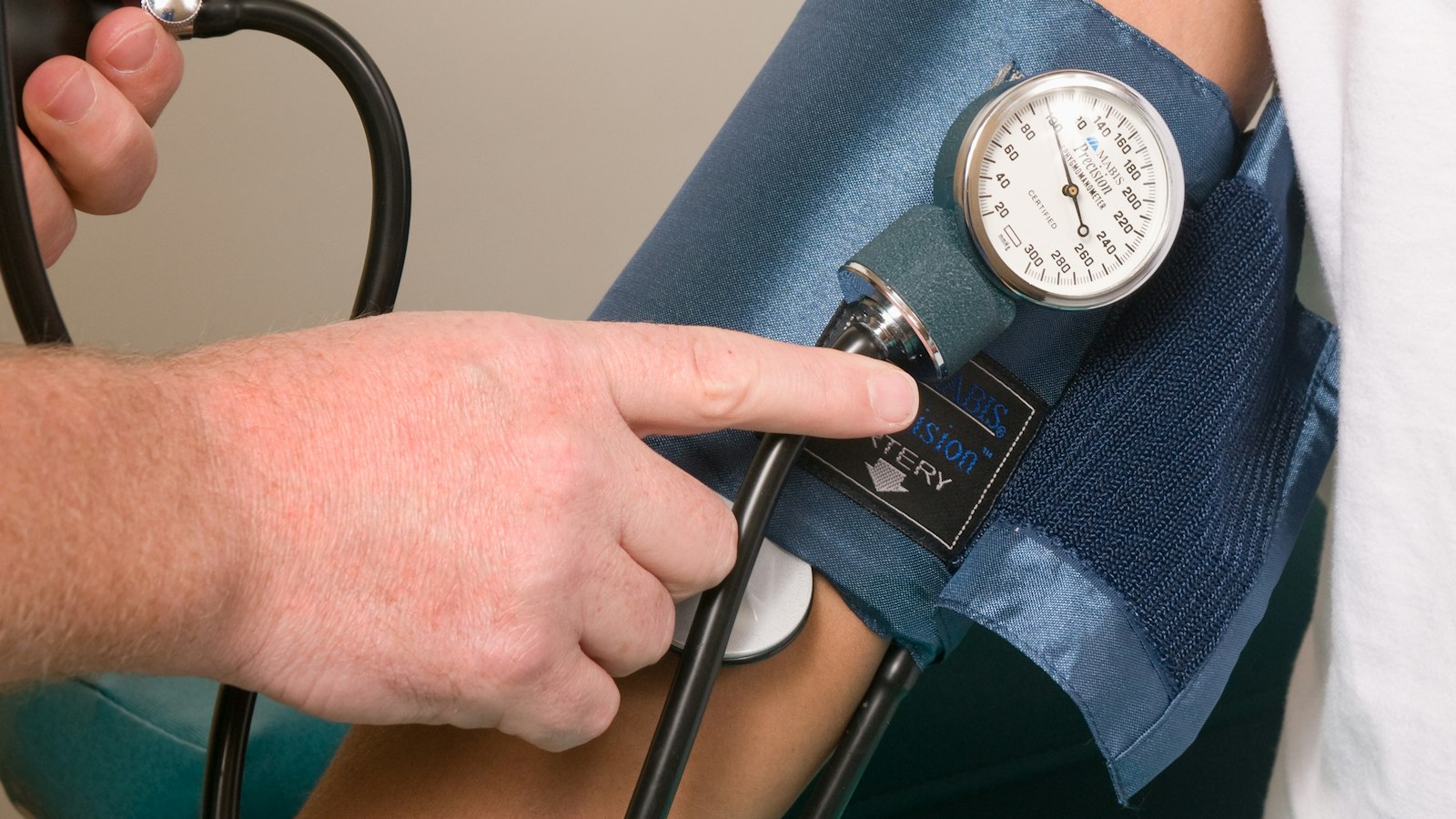
High blood pressure (hypertension) is often called a silent killer. Most people feel perfectly well, yet over the years it strains the heart and damages blood vessels, raising the risk of heart attack, stroke, heart failure and kidney disease. The good news: it is easy to measure, and very treatable.
What do the two numbers mean?
A reading such as 128/82 mmHg has two parts:
Systolic (top number): the pressure in your arteries when the heart beats.
Diastolic (bottom number): the pressure when the heart rests between beats.
Blood pressure ranges for adults
Category | Top number (systolic) | Bottom number (diastolic) |
|---|---|---|
Normal | Below 120 | and below 80 |
Elevated | 120–129 | and below 80 |
High BP, stage 1 | 130–139 | or 80–89 |
High BP, stage 2 | 140 or higher | or 90 or higher |
Severe, seek care now | Above 180 | and/or above 120 |
Ranges based on the American College of Cardiology / American Heart Association categories. Your cardiologist will set the target that is right for you, based on your age and other conditions.
How to measure your blood pressure correctly at home
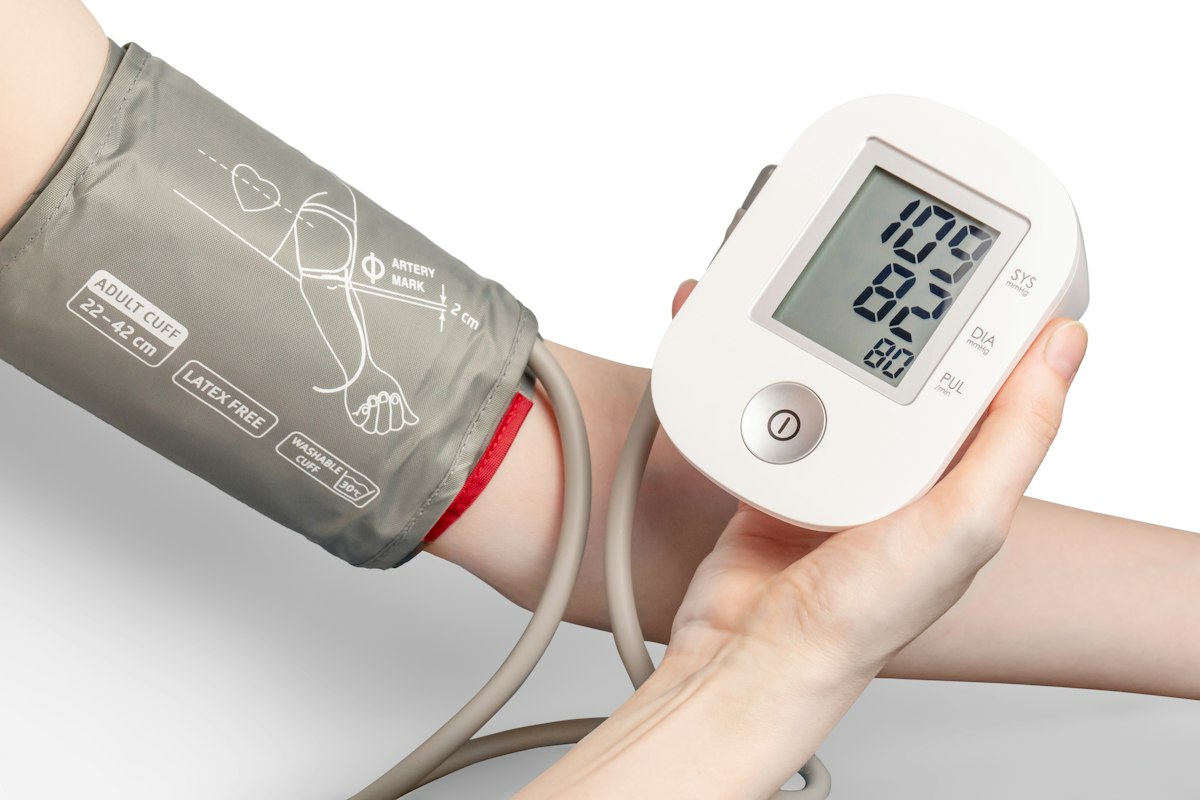
Home readings are very useful, but only if they are taken the right way:
Use a validated upper-arm digital monitor with the correct cuff size.
Avoid tea, coffee, smoking and exercise for 30 minutes before, and empty your bladder.
Sit quietly for 5 minutes with your back supported, feet flat on the floor and legs uncrossed.
Rest your arm on a table so the cuff is at heart level, on bare skin.
Take two readings, one minute apart, in the morning and evening, and write them down.
Bring your log (or your phone photos of the readings) to your next appointment. It helps your doctor far more than a single clinic reading.
Everyday changes that lower blood pressure
Cut down on salt. Aim for less than 5 g a day, about one teaspoon in total. Watch hidden salt in pickles, papad, namkeen, sauces and packaged snacks.
Eat more fruit, vegetables, whole grains and dals, and choose low-fat dairy.
Move every day. At least 150 minutes a week of brisk walking, cycling, swimming or yoga.
Reach a healthy weight. Even losing 4–5 kg can make a noticeable difference.
Stop tobacco in all forms and limit alcohol.
Sleep well and manage stress. Loud snoring with daytime sleepiness can be a sign of sleep apnoea, which also raises BP.
Never stop or change your blood pressure medicines on your own, even when your readings look normal. Normal readings usually mean the medicine is working.
When to see a doctor
See a doctor if your home readings are regularly 130/80 or higher. Call 108 immediately if your BP is above 180/120 and you have chest pain, breathlessness, a severe headache, blurred vision, confusion, or weakness or numbness on one side of the body.
Need help getting your BP under control? Book a consultation at Swastham Heart Institute.