Tests & Diagnosis
Your First Visit to a Cardiologist: ECG, 2D Echo, TMT and Holter Explained
Seeing a heart specialist for the first time? Here's what happens at the consultation, and a simple guide to common heart tests (ECG, 2D Echo, TMT and Holter) and how to prepare for each.
Being referred to a heart specialist can feel worrying, but most first visits are straightforward. Knowing what to expect, and which tests you might be asked to do, makes the day much easier.
What to bring to your appointment
A list of all your medicines (or the strips and bottles themselves), including supplements.
Previous reports: ECGs, echo reports, blood tests, discharge summaries and any angiography CDs.
Your home BP or sugar readings, if you check them.
A short note of your symptoms: what you feel, when it started, how long it lasts and what brings it on.
A family member, if you'd like help remembering the advice.
What happens during the consultation
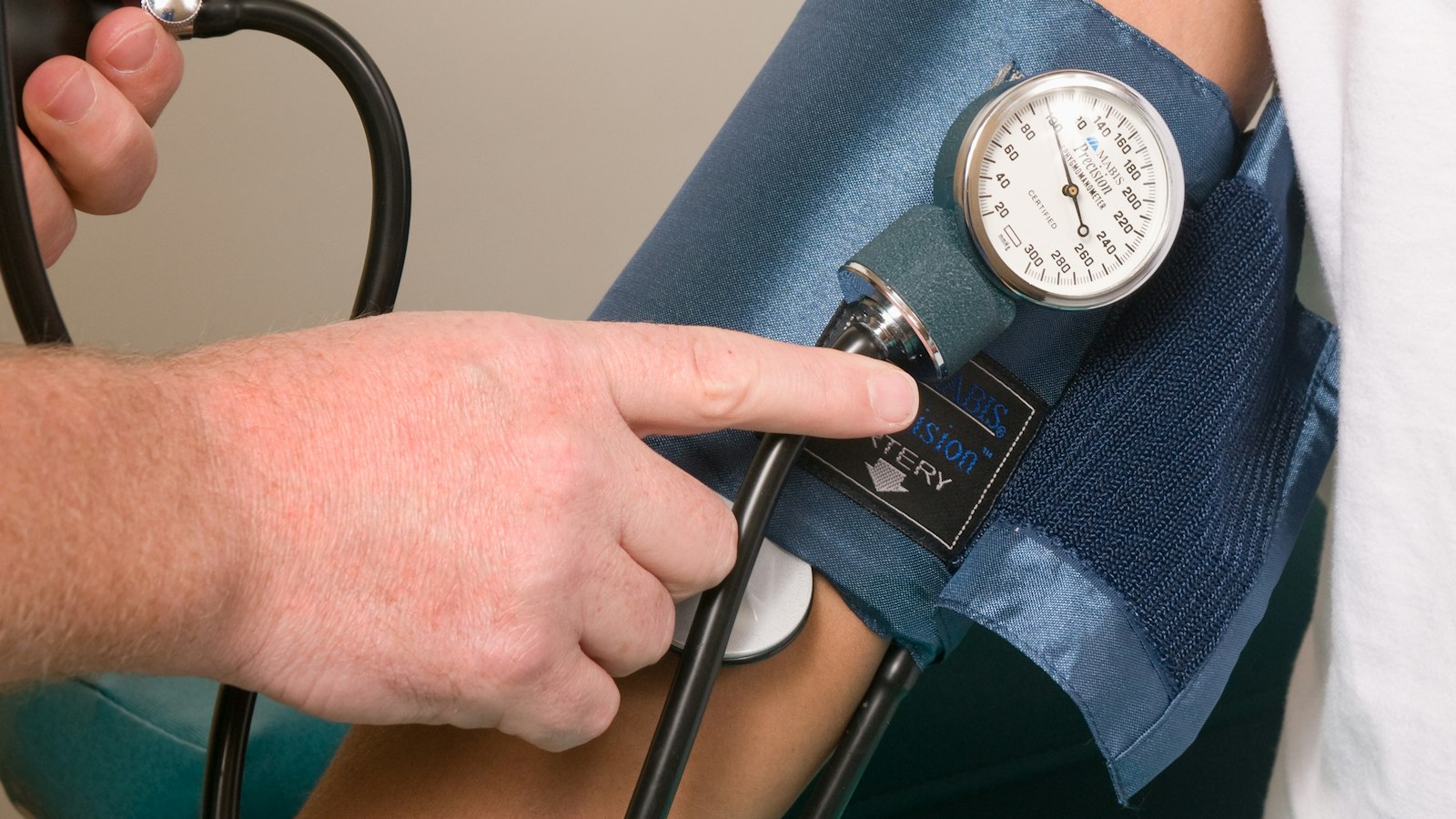
Your cardiologist will ask about your symptoms, lifestyle and family history, check your pulse, blood pressure and weight, and listen to your heart and lungs. Based on this, they may suggest one or more of the tests below. Many of them can be done the same day.
Common heart tests at a glance
Test | What it shows | How long | How to prepare |
|---|---|---|---|
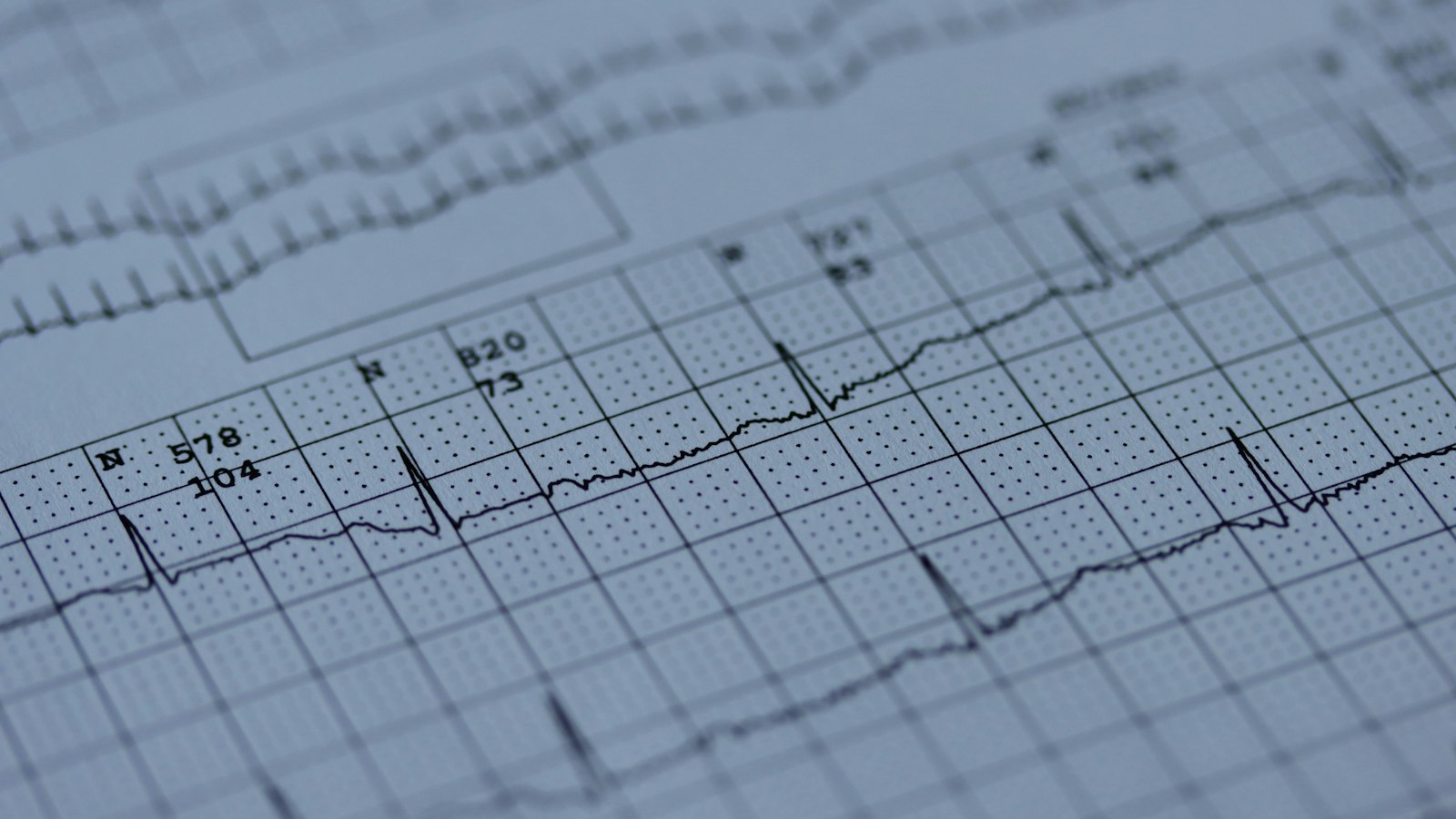
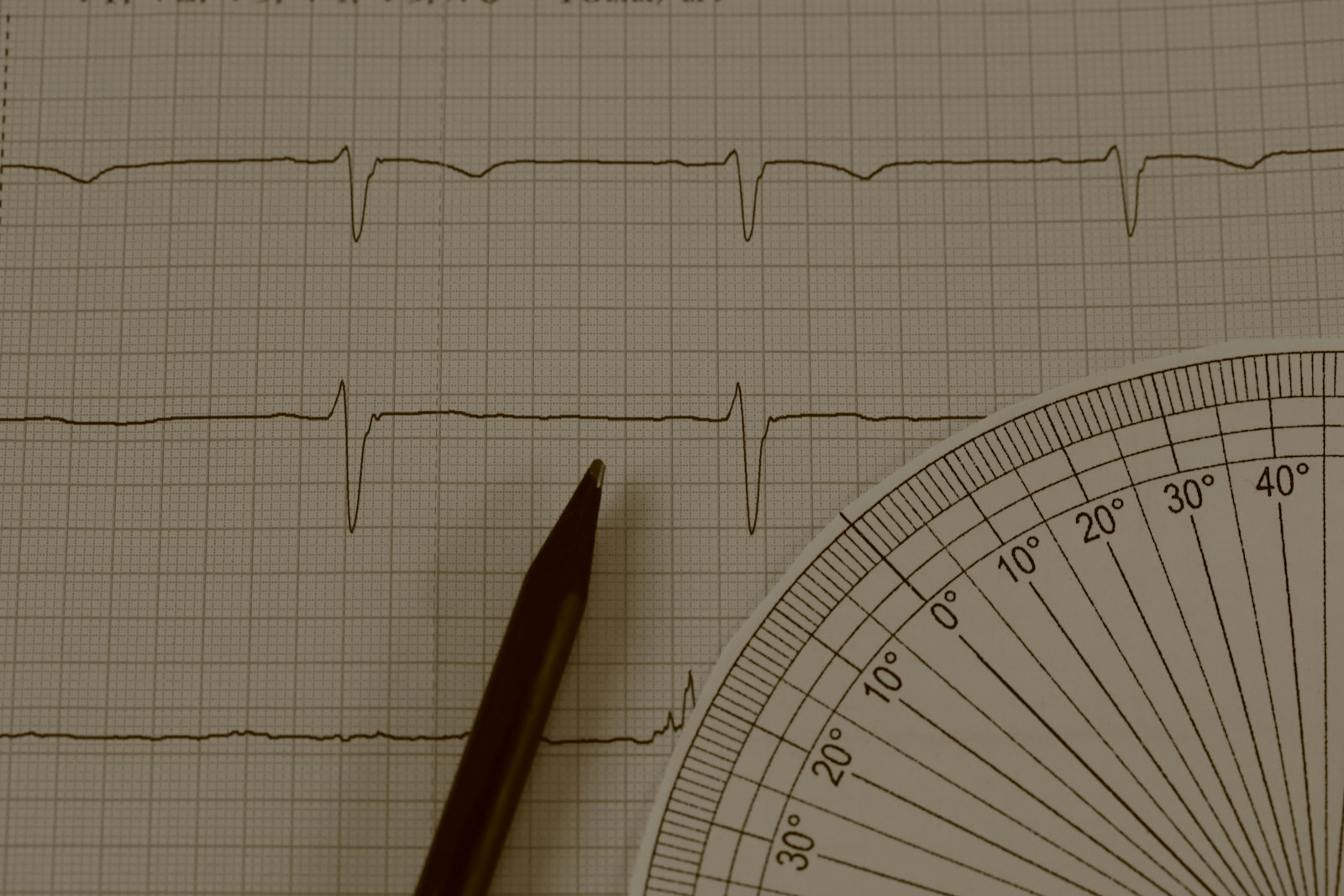
ECG | The heart's electrical activity: rhythm, rate, and signs of a past or ongoing heart attack | 5–10 minutes | Nothing special. Wear clothes that are easy to open at the chest. |
2D Echo | An ultrasound of the heart: chamber size, valves and how well the heart pumps (ejection fraction) | 20–40 minutes | Usually none. You can eat and take medicines as normal. |
TMT (treadmill test) | How your heart copes with exercise; helps detect narrowed arteries | 30–45 minutes in total | Light meal 2–3 hours before, comfortable shoes. Ask whether to pause any medicines. |
Holter monitor | Continuous heart rhythm recording to catch palpitations or pauses | Worn for 24–48 hours | Shower beforehand. Keep a diary of symptoms while wearing it. |
ECG (electrocardiogram)
Small sticky pads are placed on your chest, arms and legs, and a machine records the electrical signals of your heart for a few seconds. It is quick and painless, and is usually the first test done.
2D Echo (echocardiogram)
A technician moves an ultrasound probe with gel over your chest. It uses no radiation, and gives a moving picture of your heart's walls and valves.
TMT (treadmill / stress test)
You walk on a treadmill that gradually gets faster and steeper while your ECG and blood pressure are monitored. The team will stop the test if you feel unwell, so tell them about any chest pain, breathlessness or dizziness.
Holter monitoring
A small recorder is clipped to your belt and connected to pads on your chest. You go about your normal day, and the recording shows what your heart rhythm was doing when you had symptoms.
What happens next?
Depending on the results, your cardiologist may reassure you, adjust your medicines, recommend blood tests such as a lipid profile and blood sugar, or suggest further imaging such as a CT coronary angiogram or a coronary angiography. They will explain every step before anything is done.
Write your questions down before the visit. There are no silly questions when it comes to your heart.
Explore our tests and treatments, or book your first consultation with our team.