Heart Health
Heart Attack Warning Signs: What to Do in the First Golden Hour
Chest pain isn't the only sign of a heart attack. Learn the warning signs, including the subtle ones that are often mistaken for acidity, and exactly what to do in the first hour.
Every minute counts during a heart attack. When a coronary artery is blocked, the heart muscle it supplies begins to die within minutes, and the sooner blood flow is restored, the more muscle can be saved. That is why doctors call the first 60 minutes the “golden hour”.
What happens during a heart attack?
Most heart attacks (the medical term is myocardial infarction) happen when a fatty plaque inside a coronary artery cracks and a blood clot forms on top of it. The clot cuts off blood and oxygen to part of the heart. Treatment such as clot-dissolving medicine or angioplasty works best when it is given early.
The classic warning signs
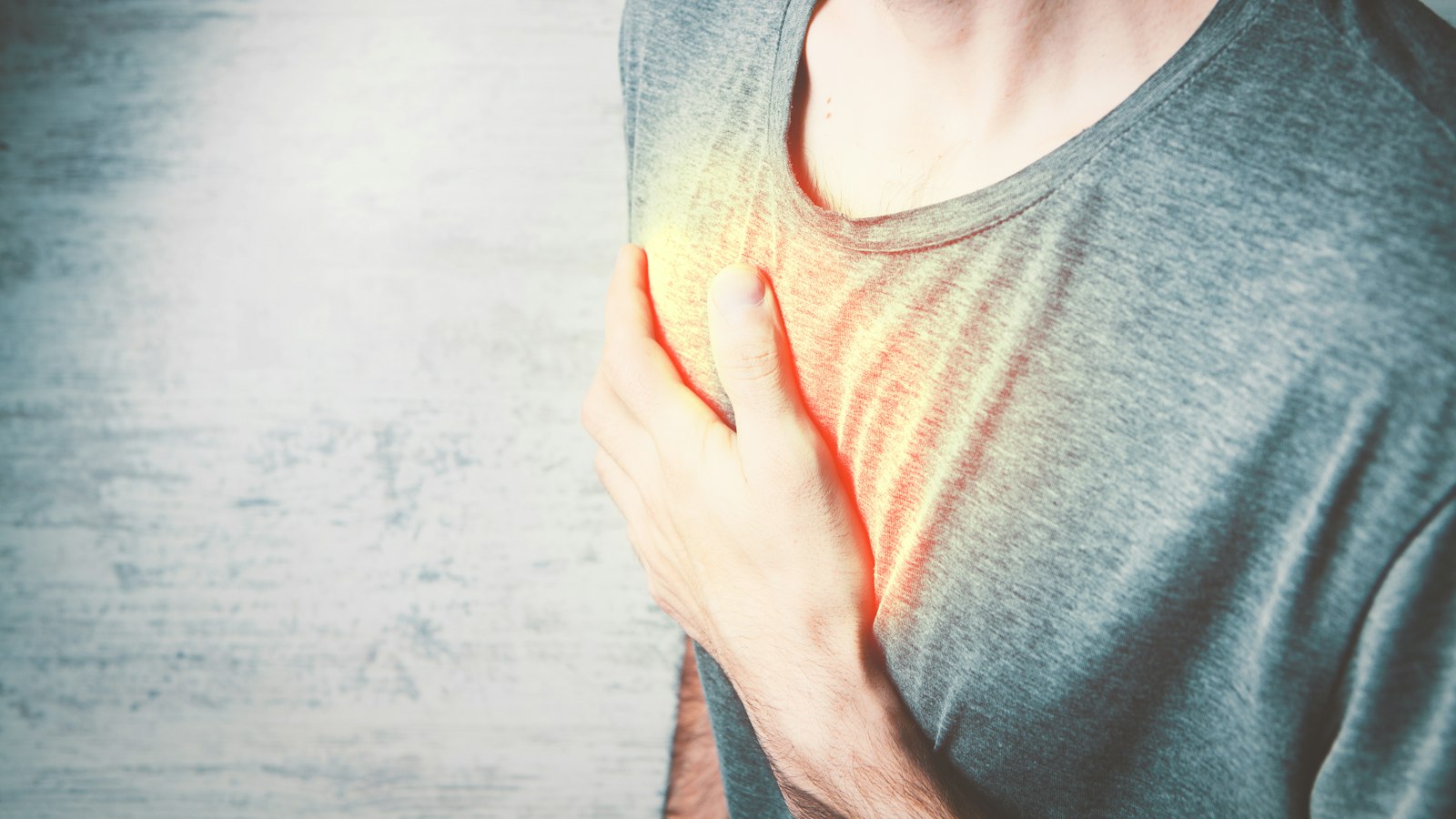
Chest discomfort: pressure, squeezing, heaviness or pain in the centre of the chest that lasts more than a few minutes, or goes away and comes back.
Pain that spreads to one or both arms, the neck, jaw, back or upper stomach.
Shortness of breath, with or without chest discomfort.
A cold sweat, nausea, vomiting, or feeling light-headed or faint.
Subtle signs that are often missed
Women, older adults and people with diabetes are more likely to have atypical symptoms: unusual tiredness, breathlessness, indigestion-like discomfort, or pain in the upper back or jaw, sometimes with little or no chest pain. Many heart attacks in India are first dismissed as “gas” or acidity. If you are unsure, get checked straight away.
If you think it could be a heart attack, treat it as one. It is always better to be checked and reassured than to wait at home.
What to do in the first hour
Call 108 for an ambulance immediately. Do not drive yourself to hospital. Ambulance teams can start treatment on the way.
Stop all activity. Sit or lie down in a comfortable position and loosen tight clothing.
Chew one aspirin (300–325 mg) if you are not allergic to it and have not been told by a doctor to avoid it. The emergency operator can confirm this for you.
If the person collapses and is not breathing normally, start hands-only CPR: push hard and fast in the centre of the chest, about 100–120 times a minute, until help arrives.
Keep a list of medicines and old reports ready (ECGs, discharge summaries) to hand to the medical team.
What not to do
Don't wait to “see if it passes”, even if the pain eases.
Don't take someone else's heart medicines, such as a nitrate tablet under the tongue, unless it has been prescribed for you.
Don't eat a heavy meal or exert yourself.
Know your risk
Your risk is higher if you smoke or chew tobacco, or have diabetes, high blood pressure, high cholesterol, excess weight, an inactive lifestyle, long-term stress, or a family history of early heart disease. South Asians tend to develop coronary artery disease at a younger age, so a regular heart check-up from your 30s is worthwhile, especially if you have any of these risk factors.
Worried about your heart? Book a consultation with our cardiology team for a proper assessment.